Everything Google Announced at The Android Show 2026 — Gemini Intelligence, Googlebook, Android 17 and More
May 13, 2026
Google held The Android Show: I/O Edition on May 12, 2026 — a pre-event showcase one week ahead of Google I/O 2026. What was billed as an Android update turned into one of Google's biggest product announcements in years, with a surprise laptop category, a new AI platform, and a complete rethink of what Android means across every device you own.
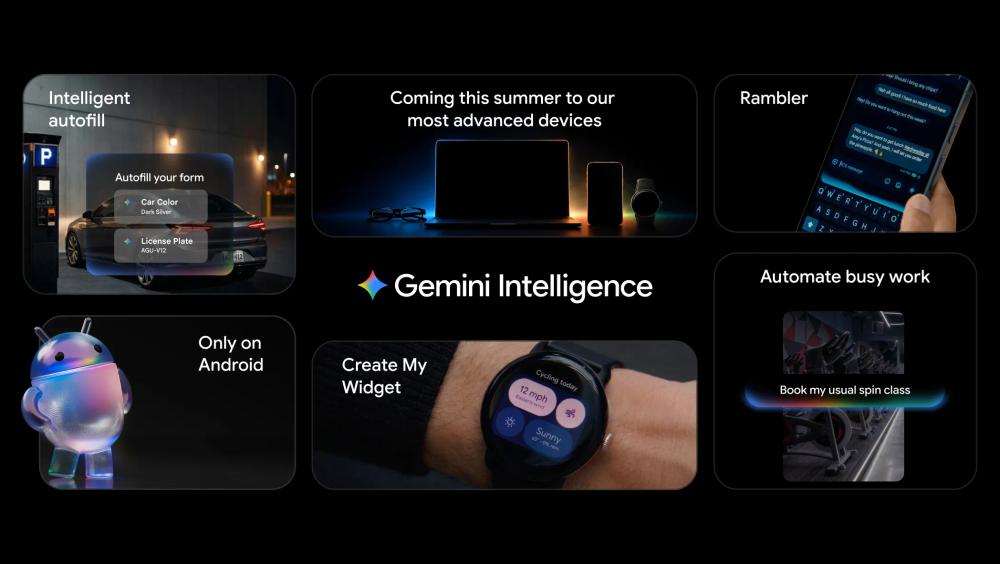
Google's central message was that Android is moving from being an operating system to what it calls an "intelligent system." The show had three clear acts: a batch of phone features built around a new AI layer called Gemini Intelligence, a big update to Android Auto, and a surprise announcement of a brand-new laptop category called Googlebook.
Here's everything announced, broken down by category.
Gemini Intelligence — AI Becomes the OS
The headline announcement wasn't a product. It was a platform shift.
Gemini Intelligence isn't just a rebrand or an app to access AI — it's becoming the intelligence layer running underneath Android itself. This is Google's most significant AI integration yet, moving Gemini from something you open to something that runs in the background across every app on your device.
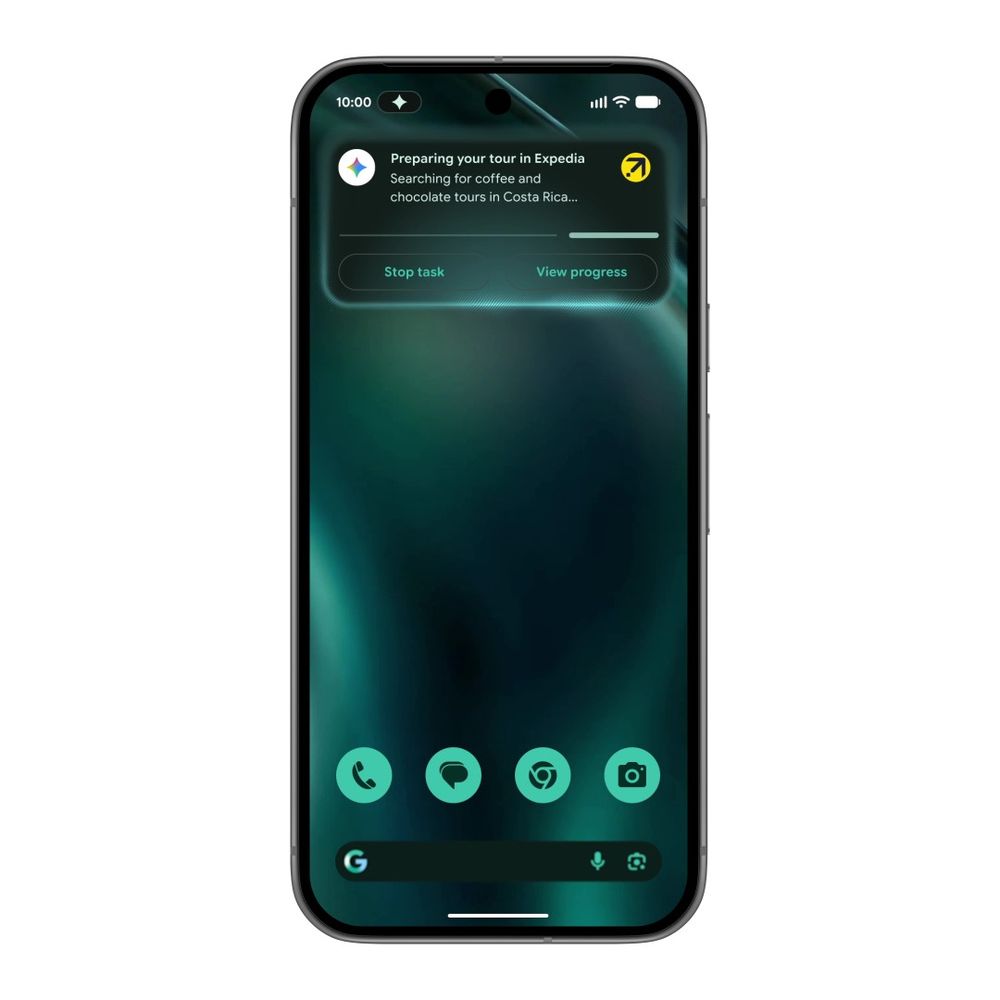
Google is pitching this as a more streamlined way to get things done. When you long press on a grocery list in your notes app, you can ask Gemini to create a shopping cart with all the items so you can check out faster. Gemini will work in the background to do things like locking in a spot in a spin class. You'll still need to confirm actions before Gemini books a trip for you.
With the upgraded Gemini Intelligence, it will also be able to perform more advanced tasks, like checking your Gmail, finding books, and adding them directly to your shopping cart.
Gemini Intelligence is coming to devices running Wear OS, Android Auto, Android XR, and Android phones. These features will first appear on the latest Samsung Galaxy and Google Pixel phones, with deployment starting this summer.
Rambler and Create My Widget
Two standout features shipping under the Gemini Intelligence umbrella:
Rambler is an upgraded speech-to-text experience for Pixel devices. It understands more natural speech patterns including pauses, corrections, and filler words like "umms" and "ahhs," and formats them correctly while transcribing. It also supports multilingual input, meaning you can switch between languages naturally while speaking.
Create My Widget lets you build custom home screen widgets by describing what you want to Gemini in plain language. The widget pulls from your apps, calendar, Gmail, and other Google services to build a personalized dashboard that updates automatically.
Googlebook — The Surprise of the Show
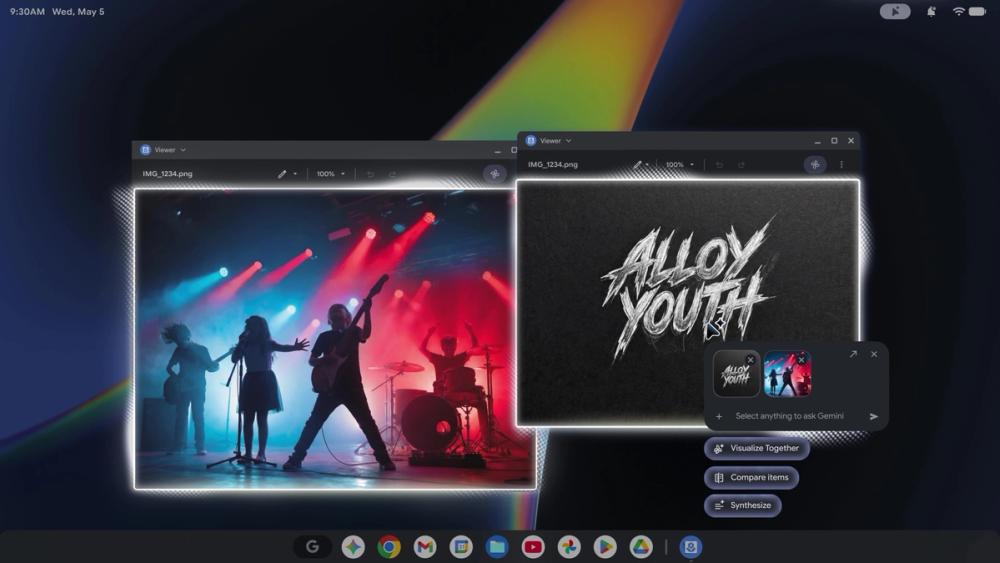
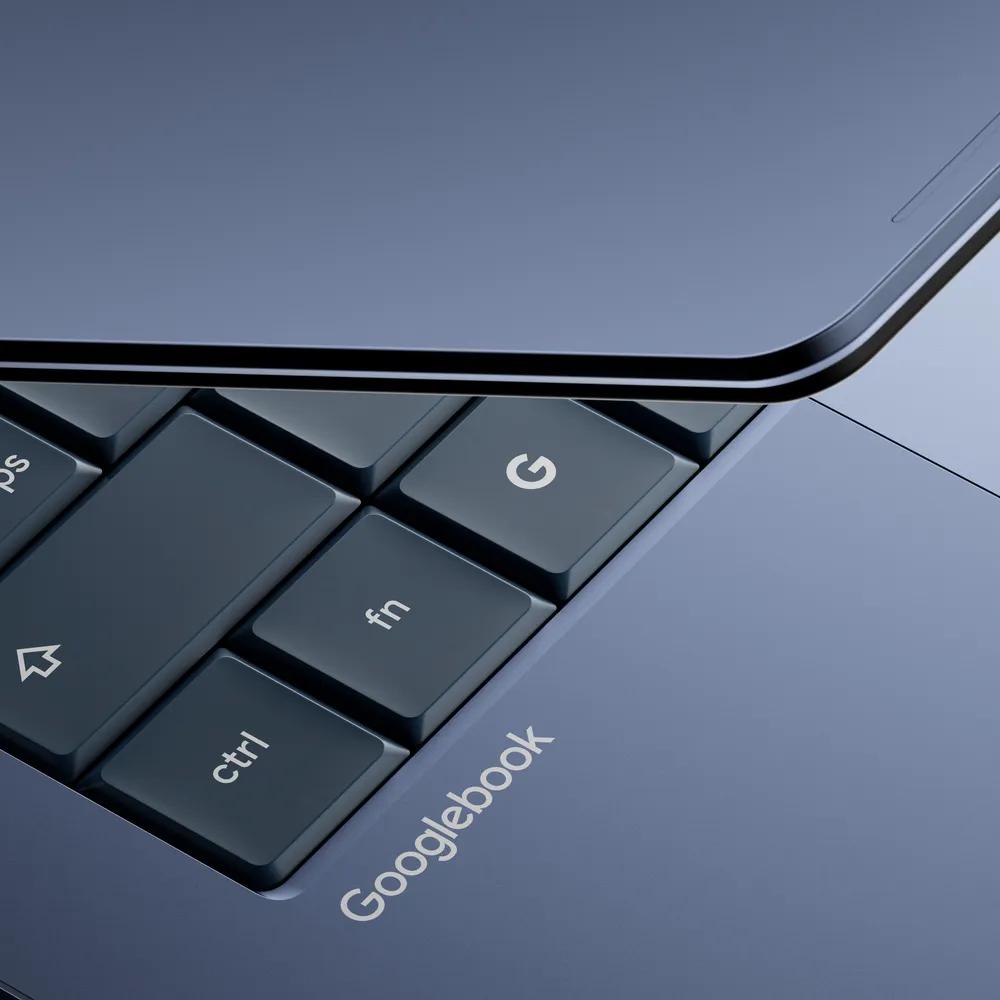
The biggest surprise was the Googlebook — Google trying laptops again, taking the best of Android and ChromeOS into a new platform, with a new take on a cursor and Gemini Intelligence very much at the heart of it.
Googlebook is built on Android and takes key parts of ChromeOS, combining the Chrome browser, the full Google Play app store, and Gemini Intelligence into a single laptop experience. Google framed it as a rethink of the laptop, much like the original Chromebook reimagined affordable computing in 2011.
The centrepiece feature is Magic Pointer — wiggle the cursor and Gemini surfaces contextual actions based on whatever is on screen. Point at a date in an email to create a meeting. Select two images to visualise them together. It's Gemini woven into the most basic interaction on a laptop.
The first Googlebooks are being built by Acer, ASUS, Dell, HP, and Lenovo and are arriving this fall. Every Googlebook will have a signature hardware feature called the Glowbar, a light bar on the lid.
One important note: some online reports refer to the underlying OS as Aluminium OS. That is an internal codename, not the final product name. Google said the official OS branding will be announced later in 2026.
We've covered Googlebook in detail in a separate post — link in the footer.
Android 17 — What's New
Android 17 adds AI-powered creator tools, smarter widgets, enhanced editing features, better multitasking, and improved Android Auto experiences.
The most visually obvious change is emoji. The most exciting update for many will be the introduction of 3D emoji. Google is calling this collection Noto 3D. Pixel phones will be the first to gain access to these emoji later this year.
On privacy, you'll have more granular control over how apps use your location in Android 17. It'll be possible to only enable your precise location for certain tasks when the app is open to minimise its knowledge of where you are.
Google also tackled a long-standing annoyance: Google is finally giving developers a way to ask for a specific contact to help you find a certain friend in their apps, rather than you having to fork over your entire contact list.
Security — Verified Calls and Threat Detection
Android will automatically end calls from numbers pretending to be your bank if the bank's app is installed and you're opted in. Google's initial partners for this feature are Revolut, Itaú, and Nubank, with more to follow. It will be available on devices running at least Android 11.
Google is also expanding its live threat detection tools with warnings about potentially harmful actions. A feature called dynamic signal monitoring will be on the lookout for apps that engage in suspicious activity like changing or hiding their icon and then launching from the background or abusing accessibility permissions.
Android Auto Overhaul
Android Auto is getting a much needed makeover with customizable widgets on the home screen, support for video playback, and more.
Google has retooled Android Auto to fit any shape of infotainment system display and is revamping a string of apps including Google Maps. Google is bringing what it calls Immersive Navigation to the app.
Later in 2026, if your phone has Gemini Intelligence, you'll also be able to access it in Android Auto. That includes things like asking Gemini what a dashboard warning light means, or checking whether a piece of furniture will fit in your boot.
iPhone to Android Transfers
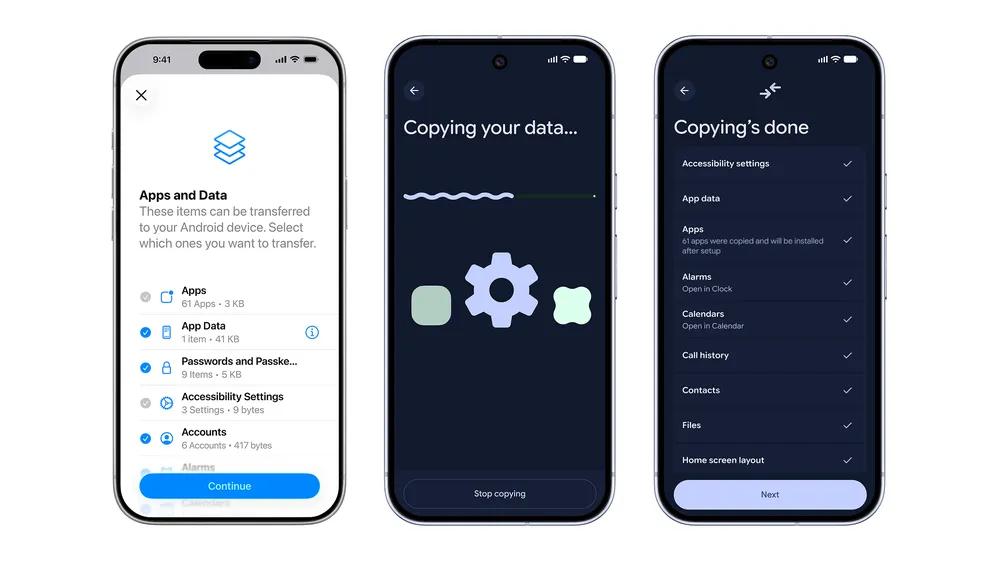
Google and Apple rebuilt the wireless migration tool for switching from iPhone to Android. The updated version transfers passwords, photos, messages, apps, contacts, your home screen layout, and even your eSIM without a cable. It is launching on Samsung Galaxy and Google Pixel phones first, with a later 2026 release.
This is a direct push to make switching from iPhone feel frictionless — a problem Google has struggled with for years.
Gemini in Chrome for Android
Google will soon bring Gemini in Chrome to the web browser on Android devices. Built on Gemini 3.1, it can help you research, summarise and compare content across the web. You can tap the Gemini icon at the top of the screen to bring up a chatbot and ask it questions related to the webpage or get explanations for complex issues. Gemini in Chrome can also connect to other apps, dig up information from Gmail, create events in Calendar, and make notes in Keep.
What's Coming at Google I/O 2026
The Android Show was explicitly a preview, not the full picture. While the Android Show gave us a look at what Google's working on, there's going to be even more in store for the Google I/O 2026 keynote next week.
Google I/O 2026 is scheduled for May 19 to 20, with livestreamed keynotes, sessions, and more. Expected at I/O: Android XR glasses hands-on, a new Gemini model announcement, deeper Aluminium OS details, and Pixel 11 hardware previews.
CONCLUSION
The Android Show 2026 delivered more than most people expected. Gemini Intelligence as a system-wide platform, a brand new laptop category in Googlebook, a complete Android Auto redesign, and meaningful Android 17 security and privacy updates — all in one show.
From revolutionary multitasking tools to smarter system-wide integration, Android 17 is shaping up to be the most ambitious update in years.
Google I/O 2026 is May 19. We'll be covering every announcement as it happens.